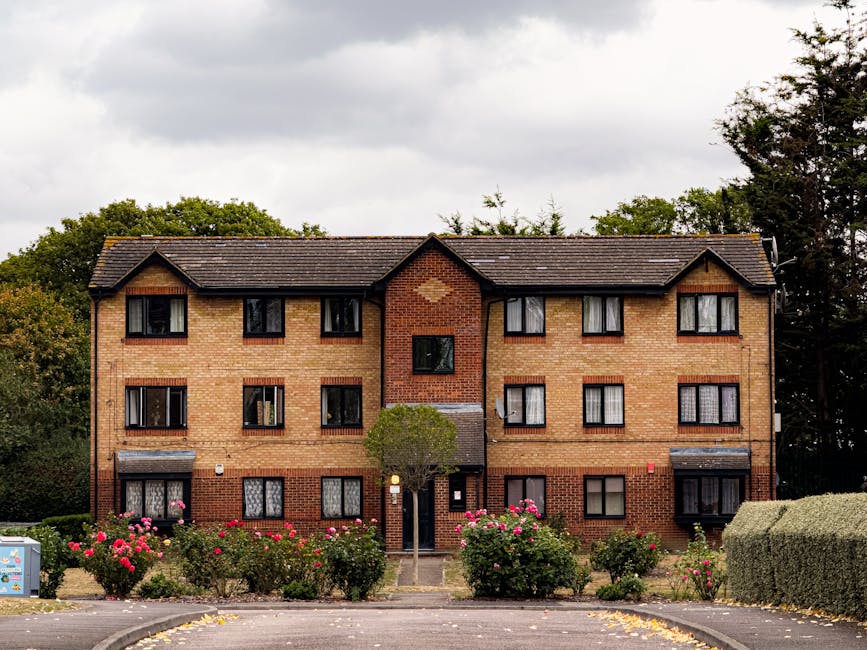
Alperton gardeners guide to lawns on HA0 terraces
If you live on a terrace in HA0, you already know the lawn can be the bit that makes the whole garden feel finished. It is also the bit that gets punished first. Shade from neighbouring walls, patchy sunlight, compacted soil, narrow access, kids' feet, a wheely bin dragged across the same strip every week - it all adds up. This Alperton gardeners guide to lawns on HA0 terraces is here to make that job simpler, calmer, and a lot more realistic.
We'll look at how terrace lawns behave in local conditions, what tends to go wrong, and what you can actually do about it without turning the garden into a full-time project. A few small changes can make a big difference. Truth be told, most terrace lawns don't need heroic effort; they need the right routine.
For readers who want broader support beyond lawn care, it can also help to explore the wider garden services overview or keep seasonal upkeep on track with garden maintenance. Both can sit neatly alongside a lawn-focused plan.
Table of Contents
- Why terrace lawn care matters in HA0
- How lawn care works on terrace gardens
- Key benefits and practical advantages
- Who this is for and when it makes sense
- Step-by-step guidance
- Expert tips for better results
- Common mistakes to avoid
- Tools, resources and recommendations
- Law, compliance, standards and best practice
- Options, methods and comparison table
- Case study or real-world example
- Practical checklist
- Conclusion
- Frequently asked questions
Why Alperton gardeners guide to lawns on HA0 terraces Matters
Terrace gardens in Alperton often look simple from the back door, but lawn care is rarely simple once you get outside. Space is tight, boundaries are close, and the lawn usually has to do more than it would in a larger suburban garden. It may be a play area, a quiet spot for coffee, a place for the dog, and the visual centre of the whole outdoor space. That is a lot of pressure for one patch of grass.
HA0 terraces also tend to have a mix of sun and shade across a small area. One end of the garden may dry out quickly while the other stays damp after rain. That uneven pattern can produce patchy growth, moss, and thin grass. So, if your lawn looks a bit tired even when you are trying, you are not imagining it.
Another reason this matters is practicality. A terrace lawn that is managed well can make a compact garden feel larger, cleaner, and easier to use. A poor lawn, by contrast, starts to feel like dead space you have to step around. Nobody wants that. Not really.
Professional support can be useful when the issue is less about routine mowing and more about the bigger garden picture. If the lawn is failing because the whole space needs reshaping, it may be worth looking at landscape gardening or even broader landscaping support, especially where levels, drainage, or borders are part of the problem.
How Alperton gardeners guide to lawns on HA0 terraces Works
At heart, terrace lawn care is about making a small, often awkward lawn behave more like a healthy outdoor room. That means balancing five things: light, water, air, soil condition, and regular cutting. If one of those slips, the lawn tends to show it quickly.
In practice, the process usually starts with a quick assessment. Is the grass thin because it is shaded? Is the soil hard underfoot? Are there worn paths where people always cut across the same spot? Has moss taken over after winter? Once you know the pattern, the fix becomes much more specific.
The other big part is understanding how terraces differ from open gardens. A lawn on a terraced property may have fewer entry points, less room for machinery, and more edge work. That means the finish depends on precision, not just speed. A tidy edge and a consistent mowing height can make a small lawn look far better straight away. It is one of those details people notice without always realising why.
If the lawn is being cut by a professional, a service such as lawn mowing can keep the grass at a healthy height while reducing stress on weaker areas. In terrace gardens, the difference between a rushed cut and a well-timed one is often surprisingly visible.
And yes, sometimes the job is less "lawn care" and more "garden rescue after a busy winter." That happens. More than people admit.
Key Benefits and Practical Advantages
A healthy terrace lawn does more than look nice. It changes how the whole garden feels and how easy it is to use day to day. Here are the main gains worth aiming for.
- Better appearance: A level, even lawn gives a terrace garden a neater, more cared-for look.
- More usable space: Grass softens a compact garden and creates a practical area for sitting, playing, or relaxing.
- Less weed pressure: Strong grass tends to leave less room for weeds to settle in.
- Improved drainage awareness: Once you pay attention to how water behaves, it is easier to prevent soggy corners and worn patches.
- Lower long-term effort: A little regular maintenance usually beats a big, stressful overhaul later on.
There is also a confidence benefit that people sometimes overlook. A good lawn makes the rest of the terrace easier to style. Pots look better, fencing looks cleaner, decking feels more intentional, and the garden becomes a place you want to use rather than simply look at through the window.
For some homeowners, especially those with mixed surfaces, lawn work sits alongside other improvements like decking services or targeted garden tidy-ups. That mix can work really well on compact terraces, where each square metre has to earn its keep.
Who This Is For and When It Makes Sense
This guidance is useful if you are a homeowner, landlord, tenant, or property manager dealing with a terrace lawn in Alperton or the wider HA0 area. It is especially relevant if your garden:
- gets only part-day sun
- has a narrow lawn strip rather than a broad open area
- shows moss, patchiness, or puddling after rain
- has visible wear near doors, paths, or seating areas
- needs to look presentable without demanding constant work
It also makes sense if you are deciding whether to keep a lawn at all. That is a fair question. In some terraces, a tiny stressed lawn is harder to maintain than a larger bed, gravel area, or mixed planting scheme. You do not always have to force grass to do a job it is not suited to.
If the garden is heavily overgrown or full of old debris, the right first step may be a proper garden clearance before you spend money on mowing or lawn repair. There is no point polishing the surface while the underlying mess is still there.
For people who want a one-off refresh rather than a long maintenance plan, terrace lawn care can also be a sensible seasonal job at the start of spring or early autumn. Those are often the windows when grass responds best. Morning light, cool air, damp soil - it all helps.
Step-by-Step Guidance
Here is the straightforward way to improve a terrace lawn without overcomplicating it.
- Look at the light pattern. Watch the lawn at different times of day. Notice where the sun reaches, where shade lingers, and which areas dry first.
- Check the surface underfoot. If the lawn feels hard or spongy, that tells you a lot. Compaction often shows up in terrace gardens because the same routes get walked repeatedly.
- Cut to the right height. Avoid scalping the grass. A slightly higher cut usually protects the roots better, especially in dry or shady spots.
- Trim edges properly. On small terraces, neat edges do half the visual work. They make the lawn look defined, even if the grass itself is not perfect yet.
- Aerate compacted areas. If water sits on the surface or the lawn is worn, letting air into the soil can help roots recover.
- Feed only when the lawn is ready. Feeding thin or stressed grass without addressing the cause can be a bit like putting a plaster over a leaky pipe.
- Repair bare patches early. Small repairs are much easier than trying to bring back a dead strip later in the year.
- Review what the lawn actually needs. If the garden is too shaded, too busy, or too small for healthy grass, consider redesigning that section instead of fighting it forever.
A practical example: if the lawn is worn near the back steps, that is often a traffic issue rather than a grass issue. A small path of stepping stones, a border adjustment, or a rethink of how you enter the garden may solve the problem more effectively than extra fertiliser ever will.
That sounds obvious, but honestly, it is the sort of thing people overlook when they are focused on the green bits.
Expert Tips for Better Results
Small terrace lawns respond best to careful, consistent habits. You do not need complicated equipment or a giant maintenance plan. A few sharper decisions will usually do more for you.
- Mow little and often in growing season. A lawn that is trimmed regularly tends to stay healthier than one hacked down after letting it run wild.
- Keep blades sharp. Blunt blades tear grass, which leaves a ragged look and can stress the lawn.
- Vary walking routes. If one route across the lawn gets used all the time, it will compact fast. That little shortcut through the middle? The lawn remembers.
- Watch shade from fences and nearby structures. Shade is not always a problem, but deep shade plus poor airflow usually is.
- Water deeply, not constantly. Light sprinkling can encourage shallow roots. A proper soak, when needed, is usually more effective.
- Leave a bit of recovery time after stress. After heavy rain, frost, or a family party, the lawn may need breathing room before the next cut.
One useful habit is to stand at the back door and simply study the lawn for thirty seconds. Sounds a bit too simple, perhaps, but that quick glance often reveals where the trouble really is. The worn patch. The damp corner. The section that always looks grey. Once you see it, you can act on it.
If a hedge is throwing shade or dropping too much debris, support from hedge trimming can improve light levels and reduce mess. Likewise, if a tree is dominating a small terrace, careful attention to canopy size through tree lopping and removal may be part of the broader solution, though that should always be assessed sensibly and safely.
Common Mistakes to Avoid
Most terrace lawn problems are made worse by well-meant but slightly off-track maintenance. Here are the biggest traps.
- Cutting too short: Short cuts may look tidy for a day, but they often leave the lawn weak and more prone to drying out.
- Ignoring drainage issues: If water collects in one area, the grass will struggle no matter how often you mow.
- Using too much feed too fast: Overfeeding can burn or overstimulate the lawn, especially in stressed urban soil.
- Trying to force grass into deep shade: Some areas simply will not support strong turf without major changes.
- Skipping edging: A lawn without clear edges can look untidy even if the grass is in decent condition.
- Letting moss become "normal": Moss is often a sign that the conditions need attention, not just that the garden is damp because, well, London.
One common mistake is treating every problem as if it were the same problem. Patchy grass, for example, may come from soil compaction, shade, dog wear, or poor mowing. The fix changes depending on the cause. That is the bit many people miss, and it is why good lawn work feels part science, part patience.
To be fair, nobody gets every cut or seasonal check perfect. But avoiding the obvious errors makes a bigger difference than most people expect.
Tools, Resources and Recommendations
You do not need a shed full of kit, but the right tools make terrace lawn care far easier. In a compact garden, control and manoeuvrability matter more than raw power.
| Tool or resource | Best use on a terrace lawn | Why it helps |
|---|---|---|
| Lightweight mower | Regular cutting in a small garden | Easier to handle through tight spaces and around corners |
| Hand shears or edging tool | Edges, borders, awkward strips | Gives a crisp finish where a mower cannot reach well |
| Garden fork or aeration tool | Compacted soil | Helps improve airflow and water movement in problem patches |
| Rake | Removing thatch, leaves, and loose debris | Prevents smothering and keeps the surface cleaner |
| Spring and autumn maintenance plan | Year-round routine | Stops the lawn drifting into avoidable decline |
For many households, the real resource is time. A lawn that gets a small, steady amount of attention will often beat a better-looking lawn that is ignored for six weeks and then rescued in a panic. That is just how it goes.
If you prefer not to manage everything yourself, a regular service package can help. A structured garden maintenance plan keeps lawn care tied in with pruning, tidying, and seasonal checks, which is often the more sensible choice for busy terraces. The service lawn mowing is the obvious fit when regular cutting is the main need.
Law, Compliance, Standards, or Best Practice
For ordinary domestic lawn care, there is usually no special legal drama involved. Still, there are some sensible best-practice points worth keeping in mind, especially if the work is being carried out professionally.
Noise and timing: Early starts and late evening work can be disruptive in terrace settings, where homes are close together. A considerate schedule matters more than people sometimes realise.
Waste handling: Grass cuttings, hedge trimmings, and cleared debris should be handled responsibly. Good practice includes sorting recyclable green waste where appropriate and avoiding sloppy fly-tipping habits. If waste removal is part of a larger tidy-up, recycling and sustainability information can help set expectations.
Safety: Tools, ladders, cuttings, and uneven ground can create hazards. Safe access and sensible handling are especially important in narrow terrace gardens, where a small mistake can affect neighbouring property or block a shared route. For peace of mind, it is wise to understand a provider's approach to insurance and safety and health and safety policy.
Property boundaries: On terraces, boundaries can be tight and garden layouts may not be perfectly symmetrical. Before changing borders, removing shrubs, or adjusting shade-causing plants, it is worth confirming what belongs where. That avoids awkward conversations later.
Service terms: If you are booking work, make sure you understand scope, timing, and payment expectations. The detail is usually in the boring bits, as ever, so reviewing terms and conditions and payment and security information can save hassle.
Options, Methods, or Comparison Table
Not every terrace lawn needs the same kind of care. Sometimes the best option is routine mowing. Sometimes it is repair work. Sometimes, honestly, it is a rethink of the whole layout. Here is a simple comparison.
| Approach | Best for | Pros | Limits |
|---|---|---|---|
| Regular mowing and edging | Healthy lawn with normal wear | Quick, affordable, keeps the garden tidy | Won't fix deeper soil or shade issues |
| Aeration and patch repair | Compacted or thin areas | Targets the underlying problem | Takes time to show results |
| Seasonal maintenance plan | Busy homeowners or landlords | Consistent care, fewer surprises | Requires ongoing commitment |
| Landscape redesign | Very shaded, awkward, or failing lawns | Can improve usability and reduce maintenance | More involved and usually higher cost |
The right choice depends on what the garden is asking for, not what looks simplest on paper. A lot of small terrace lawns are perfectly salvageable, but some are trying to be something they simply are not. That is not failure; it is design reality.
Case Study or Real-World Example
Take a typical HA0 terrace with a narrow rear garden: a small lawn in the centre, a path down one side, a raised planting bed at the back, and a hedge line that throws shade for part of the afternoon. The homeowners had been mowing it too short every two weeks and wondering why the grass looked thinner each summer.
After a proper look, the issue turned out to be a mix of compaction near the steps, dry stress in the sunnier section, and moss near the back fence. Nothing dramatic, just a collection of small problems. Very normal, actually.
The fix was equally ordinary: mow less aggressively, improve edging so the lawn felt distinct, ease traffic across the most worn strip, and start light aeration in the compacted area. The hedge was also trimmed back enough to improve light and airflow. Over time, the garden started to feel more balanced. Not perfect, not magazine-perfect, but better in the way that really matters.
The biggest change was not visual at first. It was practical. The lawn became easier to cut, easier to walk on, and less annoying to maintain. That is what people usually want, even if they start out asking for "just make it look nicer."
Practical Checklist
Use this simple checklist before, during, or after lawn work on a terrace garden.
- Check which areas get the most sun and shade.
- Look for signs of compaction, such as hard soil or worn paths.
- Inspect for moss, bare patches, and uneven growth.
- Keep mowing height sensible rather than cutting too low.
- Trim edges so the lawn looks clean and defined.
- Deal with leaves and debris before they smother the grass.
- Repair small patches early, before they spread.
- Review whether any trees, hedges, or structures are causing avoidable shade.
- Choose a maintenance rhythm that fits real life, not an idealised one.
- Escalate to broader garden work if the lawn is only one part of a bigger problem.
Expert summary: On HA0 terraces, the best lawn is usually not the one that gets the most attention. It is the one that gets the right attention: consistent mowing, sensible cutting height, better light where possible, and a realistic maintenance plan.
Conclusion
A terrace lawn in Alperton can be a wonderful thing, but only if it suits the space and gets care that matches the conditions. Small gardens are unforgiving in one sense and rewarding in another: problems show up fast, yet improvements do too. A bit more light, a bit less pressure, a better mowing pattern, a tidier edge - suddenly the whole garden feels calmer.
If you want your lawn to look good without becoming a constant headache, the key is to work with the terrace rather than against it. Keep the routine simple. Notice the signs early. And do not be afraid to rethink the layout if grass is fighting a losing battle in one corner. That is not giving up. That is good gardening.
If you need support with a full garden refresh, a routine tidy-up, or a more tailored plan for a compact outdoor space, it may help to learn more about the team on the about us page or get in touch through the contact us page when you are ready to talk it through.
Get a free quote today and see how much you can save.
Sometimes the smallest patch of grass ends up carrying the whole mood of the garden. Get that bit right, and the rest tends to follow.
Frequently Asked Questions
What is the best mowing height for a terrace lawn in HA0?
A sensible mid-range height is usually better than cutting very short. Terrace lawns often face shade, compaction, and foot traffic, so keeping more leaf on the grass helps it recover and stay greener for longer.
Why does my terrace lawn keep getting moss?
Moss usually appears when grass is struggling with shade, dampness, poor airflow, or compacted soil. It is a sign that the growing conditions need attention, not just that the lawn needs more mowing.
Can a small terrace lawn be repaired, or should I replace it?
Many small lawns can be repaired if the damage is caused by wear, shallow root stress, or patchy soil. If the area is heavily shaded or badly laid out, redesigning part of the garden may be the better long-term answer.
How often should I mow a lawn on a terrace?
During active growth, regular light mowing is usually better than infrequent heavy cutting. The exact frequency depends on growth rate, weather, and how quickly the grass is recovering.
What if my garden only gets a few hours of sun?
That does not automatically rule out a lawn, but it does mean you need to be realistic. Shade-tolerant care, better airflow, careful watering, and less aggressive cutting all matter more in those spaces.
Do I need aeration for a terrace lawn?
If the lawn feels hard, water sits on the surface, or the same paths are used often, aeration can help. It is especially useful in compact gardens where soil gets packed down quickly.
Is it worth using a professional for a small lawn?
Yes, if you want consistent results, cleaner edges, or help with lawn issues beyond simple mowing. A small lawn can be surprisingly fiddly, and professional attention often saves time and frustration.
What should I do before booking lawn work?
Check the condition of the lawn, note any drainage or shade issues, and decide whether you need mowing only or broader maintenance. If there is a lot of debris or overgrowth, start with a clearance step first.
Can hedge growth affect the lawn?
Absolutely. Overgrown hedges can reduce light, restrict airflow, and drop debris onto the grass. In some terrace gardens, hedge management is a key part of better lawn health.
How do I make a narrow terrace lawn look better quickly?
Sharp edges, a clean cut, and cleared borders usually give the biggest visual improvement fastest. Even if the grass is not perfect, those details make the space feel cared for straight away.
What if I have other garden work that needs doing too?
That is common. Terrace lawns often sit within a wider mix of garden tasks, such as tidying borders, trimming hedges, clearing clutter, or improving layout. Coordinated maintenance is often the smartest route.
Where can I find more information about services and standards?
You can review the wider service options on the services overview page and check practical details such as pricing and quotes, insurance and safety, and health and safety policy information before making a decision.