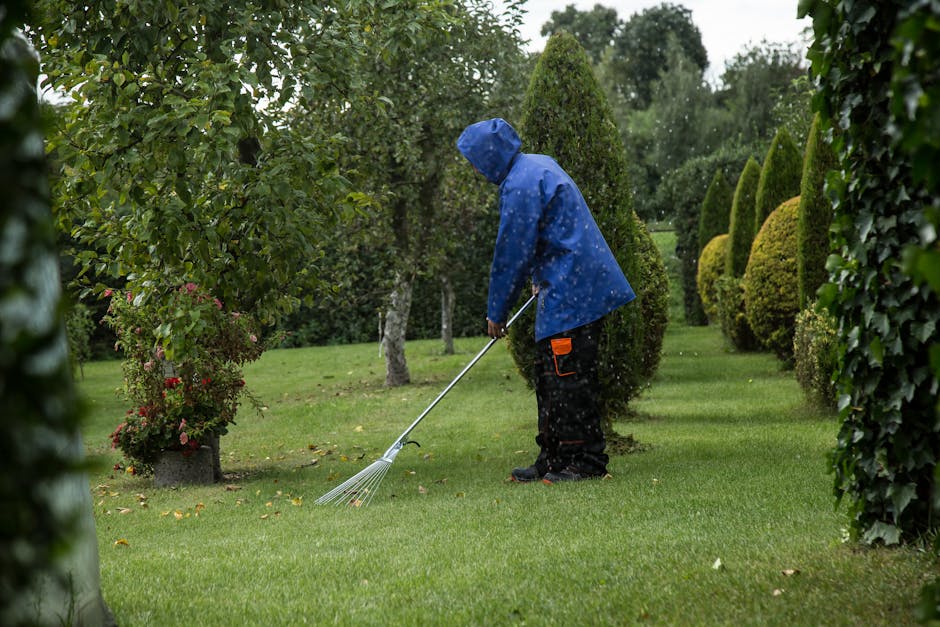
Avoid hidden garden maintenance charges in Alperton
If you've ever agreed to garden work and then felt a bit uneasy when the final bill landed, you're not alone. Hidden costs can creep into something as straightforward as lawn care, hedge trimming, or garden clearance, and they tend to show up at the worst possible time. This guide on how to avoid hidden garden maintenance charges in Alperton breaks the process down in plain English so you can compare quotes properly, ask the right questions, and feel confident about what you're paying for.
In a place like Alperton, where gardens range from compact front plots to larger shared outdoor spaces, pricing can vary for perfectly sensible reasons. The problem is not variation itself. It's unclear pricing. A good quote should tell you what is included, what might cost more, and how any extras are approved. Simple enough, really, but let's face it, that's exactly where people get caught out.
Below, you'll find practical steps, common warning signs, a comparison of pricing approaches, and a checklist you can use before you agree to any work. If you want broader service context while you compare options, you can also look at the services overview and the company's pricing and quotes information.
Table of Contents
- Why Avoid hidden garden maintenance charges in Alperton Matters
- How Avoid hidden garden maintenance charges in Alperton Works
- Key Benefits and Practical Advantages
- Who This Is For and When It Makes Sense
- Step-by-Step Guidance
- Expert Tips for Better Results
- Common Mistakes to Avoid
- Tools, Resources and Recommendations
- Law, Compliance, Standards, or Best Practice
- Options, Methods, or Comparison Table
- Case Study or Real-World Example
- Practical Checklist
- Conclusion
- Frequently Asked Questions
Why Avoid hidden garden maintenance charges in Alperton Matters
Garden maintenance sounds predictable until you start adding up the real-world variables. Access can be awkward, waste can be heavier than expected, hedges grow more than anyone remembers, and some jobs take longer once the team is actually on site. That's all normal. What shouldn't be normal is a quote that seems cheap at first and then grows quietly through add-ons, vague labour charges, or disposal fees nobody mentioned.
For Alperton homeowners, landlords, letting agents, and small businesses, the stakes are practical. You want the garden tidy, safe, and presentable without having to decode the invoice afterwards. A clear price helps you plan recurring upkeep, compare one-off jobs like garden clearance, and avoid the awkward "oh, that wasn't included" moment. Nobody enjoys that moment. Nobody.
There's also a trust issue. Transparent pricing tells you a lot about how a provider works. If a company is careful about explaining what is included, how changes are approved, and what happens if the job turns out larger than expected, that usually reflects a more organised service overall. Not always, but often enough to matter.
Garden maintenance in London also tends to involve practical extras: bagging green waste, moving materials through narrow side access, protecting paving, or working around neighbours and shared boundaries. These are the kinds of details that should be discussed upfront, not slipped in later. If a provider can talk through them clearly, you're already in a better position.
Key point: hidden charges usually come from unclear scope, not from honest labour costs. The aim is to make the scope visible before the work starts.
How Avoid hidden garden maintenance charges in Alperton Works
At its core, avoiding hidden garden maintenance charges is about controlling three things: scope, pricing method, and approval of extras. Once you understand those, the rest becomes much easier.
1. Scope
Scope means exactly what the gardener will do. Will they mow only the lawn, or also edge the borders, clear clippings, and remove leaves? Will hedge trimming include shaping and waste removal? Will a general tidy-up cover weeding, pruning, sweeping, and disposal? If scope is vague, costs become slippery. A little vague, a little costly. That's how it tends to go.
2. Pricing method
Some jobs are priced as a fixed fee, others by the hour, and some by a combination of labour plus materials or waste removal. None of these is automatically better. Fixed pricing can feel safer for standard jobs. Hourly pricing can suit gardens where the condition is unknown. The important thing is to know which model is being used and why.
3. Extra charges
Extras are not necessarily hidden charges. They become a problem when they are not explained in advance. Common extras may include additional waste removal, extra labour for heavily overgrown areas, parking constraints, specialist equipment, or urgent same-day work. If these are genuinely possible, the quote should say so in plain language.
In practice, a transparent provider will usually ask for photos, a short description of the garden, and the access details before quoting. That's a good sign. It means they are trying to price the job accurately rather than just guessing. Guessing is cheaper for them, not for you.
It also helps if the provider can explain what happens when the job changes on the day. For example, if a simple hedge trim turns into a full boundary cut-back because the hedge has grown into neighbouring space, there should be a clear process for agreeing the change before extra work begins.
Key Benefits and Practical Advantages
Being careful about pricing does more than save money. It changes the whole experience of booking garden work.
- Better budgeting: you know what to expect before the team arrives, which helps if you are planning monthly maintenance or seasonal work.
- Less stress: clear terms reduce the chance of argument at the end of the job.
- Fairer comparisons: you can compare quotes like-for-like instead of comparing one vague promise against another.
- More control over extras: you decide whether to approve add-ons instead of discovering them after the fact.
- Better long-term care: a reliable price structure makes regular maintenance easier to keep up.
There is a subtle benefit too: clear pricing often leads to better communication everywhere else. If a team is precise about costs, they are usually just as precise about timings, access, waste handling, and the day's plan. That matters when you're trying to get a garden back under control after a wet week or a long period of neglect.
For recurring tasks such as lawn mowing, hedge trimming, and standard upkeep, this clarity can be especially useful. You can review the lawn mowing and hedge trimming pages to understand how those services are typically presented, then compare that structure with the quote you receive. No need to overthink it, but a quick check can save a lot of trouble later.
Who This Is For and When It Makes Sense
This topic matters to more people than you might think. It is not just for large properties or complex landscaping jobs.
- Homeowners: especially if you need one-off maintenance after a busy season or after weather has left the garden messy.
- Landlords and agents: where clear pricing matters because the work may be charged back to a property account or arranged between tenancies.
- Older residents: who may prefer simple, predictable billing and no surprises.
- Busy families: who want the garden safe and usable without spending half the weekend chasing unclear invoices.
- Small businesses or communal properties: where outdoor areas must look tidy and presentable, often on a schedule.
It also makes sense whenever the garden is not in a straightforward condition. Overgrown borders, blocked access, heavy leaf fall, storm debris, or a neglected lawn can all change the labour involved. If you know the job is likely to be more involved, it's worth being extra careful about what is and isn't included.
In some cases, the reader is not even asking for a full garden makeover. They just want a tidy, safe outside space before visitors arrive or before a tenancy inspection. That kind of job can be simple, but it can still attract unexpected costs if disposal, access, or extra time are not discussed early.
Step-by-Step Guidance
If you want a straightforward way to reduce pricing surprises, use this process. It's practical, not fancy. And honestly, that's the point.
Step 1: Describe the job clearly
Write down what you want done. Be specific. "General garden maintenance" is too broad on its own. Better is: mow lawn, trim hedges, remove weeds from front path, clear leaves, and take away waste. If you can, include whether the garden has limited access or a side gate, because that can affect labour time.
Step 2: Share photos
Photos are one of the easiest ways to prevent awkward surprises. A few clear images of the lawn, borders, hedge line, and access route help a gardener judge the work properly. A picture of the back corner that nobody can reach can be more useful than a whole paragraph, truth be told.
Step 3: Ask what the quote includes
Ask directly whether the price includes labour, waste removal, edging, tool use, and clean-up. If something is not included, ask how much it would likely add. You don't need a legal document at this stage, just a plain explanation.
Step 4: Ask how extras are approved
This is one of the most important questions. If additional work is discovered, will the team stop and ask before proceeding? Or will they simply do it and add it to the invoice? The former is much safer for your budget.
Step 5: Check payment terms
Find out when payment is due, what methods are accepted, and whether any deposit is required. A clear payment process helps avoid misunderstandings. You can also review the company's payment and security information for extra reassurance about how payments are handled.
Step 6: Confirm the waste plan
Green waste is one of the most common areas where hidden costs appear. Ask whether waste is removed, recycled, left in bags, or charged separately. If large amounts of hedge cuttings or clearance waste are involved, this is especially important. For bigger jobs, it may help to compare with garden clearance so you know whether you need a clearance-style service rather than standard maintenance.
Step 7: Keep the quote in writing
Email or message is usually enough. The aim is simply to have a record of the agreed scope and any extras discussed. That record can be very useful if there is a misunderstanding later.
Expert Tips for Better Results
Small habits make a big difference here. Not glamorous, maybe, but effective.
- Use "like-for-like" comparisons: one quote might include waste removal and another might not. Compare the details, not just the headline figure.
- Be honest about condition: if the hedge hasn't been cut for months, say so. A realistic description leads to a realistic quote.
- Ask about minimum charges: some providers have a minimum visit fee. That is not a problem if you know about it.
- Check access early: narrow paths, locked gates, shared driveways, or awkward parking can all affect time and cost.
- Schedule regular care: smaller, regular visits often reduce the risk of big one-off costs later.
- Use service-specific pages when comparing: for example, garden maintenance is usually a better fit for ongoing upkeep, while lawn mowing may suit a narrower need.
A small but useful tip: if the quote feels oddly low, ask what has been excluded rather than assuming it is a bargain. Sometimes it is. Sometimes it is just incomplete. A cheap quote is not always a kind quote.
Another practical detail: if a job includes hedge reduction, tree work, or difficult access near fences and structures, ask whether specialist services are needed. For example, the tree lopping and removal page is relevant when larger woody growth or safety considerations go beyond routine maintenance.
Common Mistakes to Avoid
Most pricing problems come from a handful of familiar mistakes. The good news is that they're avoidable.
- Accepting vague wording: "All garden work included" sounds reassuring, but it may mean very little unless the exact tasks are listed.
- Assuming waste is included: waste removal often changes the total cost, especially after cutting back dense shrubs or clearing a neglected space.
- Not asking about extra time: if the provider charges by the hour, you need to know how overruns are handled.
- Forgetting access details: a side passage full of stored items or a locked rear gate can slow the job down.
- Comparing only headline prices: the cheapest quote can become the most expensive once extras are added.
- Skipping written confirmation: memory is a lovely thing, but not always reliable when the invoice arrives.
One more thing people sometimes forget: maintenance and landscaping are not always the same type of job. If a garden needs redesign, new beds, turf replacement, or structural changes, the quote should reflect that more complex scope. In those cases, a page such as landscaping or landscape gardening may be more relevant than simple maintenance.
Tools, Resources and Recommendations
You do not need fancy software to stay on top of garden pricing. A few simple tools are enough.
- Phone photos: take pictures from several angles before requesting a quote.
- Short written brief: list each task you want completed in plain bullet points.
- Measurement by rough scale: even approximate lawn size or hedge length can help.
- Invoice or quote folder: keep all messages together so details don't get lost.
- Calendar reminder: useful for recurring lawn or hedge maintenance so work doesn't become a last-minute rush.
For providers, useful trust pages can also matter. If you are trying to judge professionalism, it can help to review pages like about us, insurance and safety, and health and safety policy. These do not tell you everything, of course, but they can show whether the business takes process and risk seriously.
If sustainability matters to you, look at recycling and sustainability too. A garden service that handles waste responsibly may be a better long-term fit, especially for regular work.
Law, Compliance, Standards, or Best Practice
For garden maintenance, the most useful guidance is usually best practice rather than a single hard rule. In the UK, transparent quoting, clear service terms, fair consumer communication, and sensible site safety practices all matter. If work involves waste removal, access issues, ladders, tools, or larger trees, the provider should be able to explain how they manage the job safely and what is covered by the service.
From a customer point of view, you do not need to become an expert in the legal side. But you do benefit from understanding the basics: ask for written terms, confirm what the price includes, and make sure any change to the agreed work is approved before it happens. That is just good practice. It protects both sides and keeps the job straightforward.
It is also wise to look for evidence that the business treats payment, complaints, and privacy sensibly. Useful pages here include terms and conditions, complaints procedure, and privacy policy. Even if you never need them, their presence usually signals a more organised operation.
If you're booking anything that could affect neighbouring property, shared access, or public-facing areas, a clear agreement on timing and tidy-up standards is also a smart move. Not everything needs a formal contract, but it does need clarity. That's the real standard here.
Options, Methods, or Comparison Table
Different pricing approaches suit different kinds of garden work. Here's a simple comparison to help you choose what fits best.
| Pricing method | Best for | Strengths | Possible downside |
|---|---|---|---|
| Fixed price | Routine mowing, trimming, standard tidy-ups | Easy to budget, simple to approve | May exclude extras if the scope is not defined well |
| Hourly rate | Unknown condition gardens, flexible work | Adaptable if the job grows on site | Total cost can rise if the job takes longer than expected |
| Fixed plus extras | Most mixed maintenance jobs | Clear base cost with defined add-ons | Requires the customer to read the inclusions carefully |
| Quote after inspection | Overgrown gardens, clearance, complex access | More accurate and tailored | Takes a little more time before work can start |
For many Alperton gardens, a fixed quote with clearly listed extras is a sensible middle ground. It gives you certainty without locking the provider into a guess. If the garden is in rough shape or needs more than a quick tidy, an inspection-based quote is usually the better choice.
Case Study or Real-World Example
Imagine a small terraced property in Alperton with a rear lawn, a narrow side path, and a hedge at the back boundary. The owner asks for a "general tidy-up" after a few busy months. If that request goes out without detail, the quote may seem fine at first. Then the gardener arrives and finds longer grass, a hedge that needs more shaping than expected, and twice as much green waste as guessed. Suddenly the price looks different.
Now compare that with a better approach. The owner sends photos, explains that the lawn is roughly small-to-medium, notes that the side access is narrow, and asks whether hedge cuttings and disposal are included. The gardener replies with a clearer scope: mowing, hedge trimming, weeding of accessible beds, sweep-up, and waste removal at a stated price, with additional work only after approval. That version is calmer from the start. Much calmer.
The final result is usually better too, because nobody is working under a cloud of uncertainty. The customer knows what's happening, the gardener knows what has been agreed, and there's less awkwardness at the end of the job. It sounds simple because it is simple, and that is exactly why it works.
Practical Checklist
Use this checklist before you confirm any garden maintenance booking in Alperton.
- Have I described the job clearly in writing?
- Have I shared recent photos of the garden?
- Do I know whether waste removal is included?
- Have I asked how extra work is approved?
- Do I understand whether pricing is fixed, hourly, or mixed?
- Have I asked about minimum charges or call-out fees?
- Do I know whether access, parking, or difficult entry changes the cost?
- Have I confirmed the payment method and timing?
- Do I have the quote or agreement saved?
- Have I checked whether the service matches the actual job, not just the headline description?
Practical summary: if the quote is clear, the extras are explained, and the scope matches the garden, you are much less likely to face surprise charges. That's the whole game, really.
Conclusion
To avoid hidden garden maintenance charges in Alperton, focus on clarity before convenience. Ask what is included, what is not, how extras are approved, and whether waste removal is built into the price. A decent provider should not mind those questions at all. In fact, the best ones usually welcome them.
If your garden only needs routine care, a clear maintenance plan can keep costs stable and the space looking tidy with far less fuss. If the job is bigger, more overgrown, or closer to clearance or landscaping work, being precise at the quote stage becomes even more important. The aim is not to interrogate anyone. It's just to keep the whole thing fair, simple, and properly understood.
And once you've got that clarity, you can get back to the better part of gardening: the clean lines, the fresh cut grass smell, the bit where the garden suddenly feels usable again on a mild afternoon. Small win, but a real one.
Get a free quote today and see how much you can save.
Frequently Asked Questions
What counts as a hidden garden maintenance charge?
A hidden charge is any cost that was not clearly explained before the work began. Common examples include waste removal, extra labour, minimum call-out fees, or charges for difficult access.
How can I check if a garden quote is genuine?
Look for a written breakdown that explains the tasks included, the pricing method, and any possible extras. A genuine quote should be specific enough that two people could read it and understand the same job.
Is fixed pricing better than hourly pricing?
Not always. Fixed pricing is usually easier for routine jobs, while hourly pricing can suit uncertain or overgrown gardens. The better choice depends on how clear the job is before work starts.
Should waste removal always be included?
No, but it should always be made clear. Waste removal can add real cost, especially after hedge trimming or clearance work, so you should never assume it is included unless the quote says so.
What details should I give when asking for a quote in Alperton?
Give the type of work, the size or rough scale of the garden, access details, any overgrown areas, and recent photos if possible. The clearer your information, the less likely you are to get a vague estimate.
Can a quote change after the gardener arrives?
Yes, if the actual job is different from what was described. But any change should be explained and agreed before extra work is done. That is the fairest way to handle it.
How do I compare two garden maintenance quotes properly?
Compare the inclusions, not just the price. Check whether each quote includes labour, waste disposal, edging, clean-up, and any minimum charges. A cheaper quote can easily be less complete.
When should I choose garden clearance instead of maintenance?
If the space is heavily overgrown, full of debris, or needs a bigger reset rather than routine care, garden clearance may be more suitable. Standard maintenance is usually better for ongoing upkeep.
Why do narrow access paths matter for pricing?
Narrow access can make carrying tools and waste slower and more awkward, which may affect labour time. It is a small detail, but it can have a real impact on the job.
What documents or pages should I check before booking?
It is sensible to review terms and conditions, pricing information, payment and security details, and any health and safety or insurance pages. They help you judge how transparent and organised the provider is.
What is the simplest way to avoid surprise costs?
Ask for a written quote, describe the job clearly, confirm waste handling, and get approval for any extras before work continues. That simple routine prevents most of the usual problems.
How often should regular garden maintenance be arranged?
That depends on the garden and the season. Some spaces need frequent mowing or pruning, while others only need occasional upkeep. A regular plan often keeps costs more predictable than ad hoc visits.