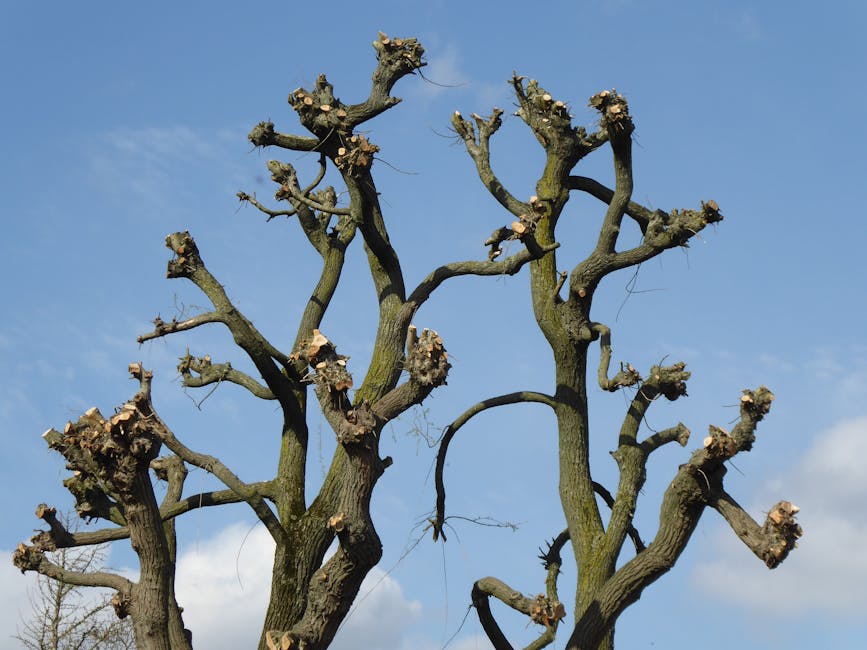
Brent Council rules for Alperton gardeners doing tree work
If you garden in Alperton, tree work can look simple from the pavement and complicated the moment you start cutting. A light prune, a hedge tidy, or a full removal may all have very different implications once local council rules, tree protection, neighbour concerns, access, waste, and safety are taken into account. That is why understanding Brent Council rules for Alperton gardeners doing tree work matters before the saw starts up.
This guide breaks the topic down in plain English. You will learn what usually needs checking, when permission may be involved, how to avoid costly mistakes, and how to plan tree work in a way that is tidy, safe, and compliant. To be fair, that is often the difference between a straightforward job and a very awkward one.
For broader garden support, many homeowners also look at the full range of garden services, especially when tree work sits alongside clearance, hedge trimming, or general upkeep.
Table of Contents
- Why Brent Council rules for Alperton gardeners doing tree work Matters
- How Brent Council rules for Alperton gardeners doing tree work Works
- Key Benefits and Practical Advantages
- Who This Is For and When It Makes Sense
- Step-by-Step Guidance
- Expert Tips for Better Results
- Common Mistakes to Avoid
- Tools, Resources and Recommendations
- Law, Compliance, Standards, or Best Practice
- Options, Methods, or Comparison Table
- Case Study or Real-World Example
- Practical Checklist
- Conclusion
- Frequently Asked Questions
Why Brent Council rules for Alperton gardeners doing tree work Matters
Tree work is not just a gardening task. It can affect wildlife, neighbour light, public safety, property boundaries, overhead cables, access routes, and the appearance of the street. In a built-up place like Alperton, those issues show up quickly. One over-enthusiastic cut on a front garden tree can change the look of a whole terrace. Funny how that happens, really.
Brent Council rules matter because they help protect trees that contribute to local character, amenity, and environmental value. They also help gardeners and homeowners avoid problems such as:
- fines or enforcement action where permission was needed but not checked
- complaints from neighbours about blocked light, debris, or unsafe work
- damage to protected trees or roots
- unsafe pruning that weakens the tree
- poor disposal of green waste and branches
There is a practical side too. If you are arranging tree lopping, crown reduction, or the removal of deadwood, you want the job done once and done properly. That means checking whether the tree is protected, understanding what level of work is acceptable, and making sure the team on site knows what they are doing.
Expert summary: In Alperton, good tree work is not just about cutting neatly. It is about checking the local context first: tree status, safety, access, disposal, and any Brent Council permissions that may apply.
If the work is part of a bigger garden refresh, it can help to coordinate it with routine garden maintenance or garden clearance, so the site is left tidy rather than half-finished and awkward to use.
How Brent Council rules for Alperton gardeners doing tree work Works
The way tree rules work in practice is fairly straightforward once you strip away the jargon. First, you identify the tree and the type of work needed. Then you check whether any formal protection might apply. After that, you decide whether the work is simple maintenance, a more significant prune, or a removal that may need permission or notice.
In Brent, the key point is that not every tree can be treated the same way. Some are protected by a Tree Preservation Order, some may sit in a conservation area, and some may simply still require care because of proximity to property, roads, shared boundaries, or nesting birds. The details can change the whole job.
What gardeners usually need to check first
- Tree protection status: Is the tree covered by a preservation order or other local restriction?
- Location: Is it in a conservation area, front garden, rear garden, or near a public pavement?
- Ownership: Is the tree yours, shared, or technically on a boundary?
- Work type: Is it a light prune, reduction, crown lift, deadwood removal, or full felling?
- Safety factors: Is the tree unstable, storm-damaged, or overhanging a driveway or roof?
That last point is worth slowing down for. An unstable limb after a windy spell in London is not the same thing as a planned shape prune in July. The urgency changes the decision. So does the risk. A smart gardener knows when to stop and inspect rather than just carry on.
For larger or more technical jobs, especially where climbing, sectional dismantling, or stump issues are involved, many customers prefer a specialist approach such as tree lopping and removal, because it brings pruning, felling, and waste handling into one organised service.
Key Benefits and Practical Advantages
Following the right process brings more than compliance. It usually gives better results, less mess, fewer disputes, and a healthier tree afterwards. That sounds obvious, but honestly, the obvious bit is what gets skipped most often.
- Less risk of penalties: You are far less likely to run into issues if you have checked the rules first.
- Healthier trees: Proper pruning supports long-term structure and growth.
- Better kerb appeal: A well-managed tree improves the look of a front garden without making it bare.
- Clearer neighbour relations: Good communication prevents the classic "you cut too much" conversation over the fence.
- Cleaner site finish: Planned work makes green waste removal and final tidying much easier.
- Safer work area: Good planning reduces falling branch hazards, slips, and access problems.
There is also a comfort factor. If you are a homeowner, letting someone handle the legal and practical side can take a weight off your shoulders. If you are a gardener or landscaping professional, knowing your route through the rules makes your work look more professional and more dependable.
And yes, customers notice. They notice when a job has been thought through.
Who This Is For and When It Makes Sense
This guidance is useful for several different people in Alperton, not just one type of property owner. Tree work touches all sorts of situations, from a single tired apple tree to a row of mature shrubs that have grown into something a bit wild. It happens.
It is especially relevant if you are:
- a homeowner deciding whether to prune, reduce, or remove a tree
- a landlord keeping a rental garden in safe and presentable condition
- a tenant trying to understand what can and cannot be done
- a gardener planning work near a boundary or pavement
- someone arranging seasonal maintenance after storm damage
- a property manager dealing with a mature tree that is now becoming a liability
It also makes sense when the garden is part of a wider project. Tree work often comes before landscaping, turfing, decking, or a full garden redesign. If you have ever tried to rework a space with an awkward overhanging tree still in place, you will know why sequencing matters. The plan should come before the saw.
Related services can be useful too, especially if the tree work leads into landscaping or landscape gardening once the garden layout is being rethought.
Step-by-Step Guidance
If you want a sensible, low-drama way to approach tree work in Alperton, use this sequence. It is simple, but it works.
- Identify the exact tree and the exact issue. Is it dead, overgrown, blocking light, leaning, shedding limbs, or causing root concerns?
- Check whether the tree may be protected. If it looks mature, prominent, or street-facing, assume there may be extra checks to do.
- Review the setting. Look at boundaries, walls, underground services, nearby roofs, footpaths, fences, and access for equipment.
- Decide the right type of work. Sometimes deadwood removal or selective pruning is enough. Sometimes a reduction is the better answer. Sometimes removal is genuinely justified, but it should never be the default.
- Consider timing. Bird nesting season can affect what is sensible even when a tree is not formally protected. Timing also affects visibility, sap flow, and regrowth.
- Plan waste handling. Branches, logs, and arisings should be cleared efficiently and, where possible, recycled.
- Use competent people and suitable equipment. Ladders, chainsaws, pole saws, harnesses, and chippers all need proper handling.
- Keep records. Save photos, notes, permission checks, and quotes. It helps if questions arise later.
A real-world example: a front-garden birch in Alperton may look like a quick trim job. But if it is visible from the street, close to a boundary, and shedding branches after a windy week, the right answer might be a careful crown reduction rather than a rough cut-back. Small difference, big outcome.
Expert Tips for Better Results
Good tree work is as much about restraint as it is about cutting. That is not always the glamorous part, but it is the part that saves the tree from looking butchered in six months.
- Prune with a reason. Each cut should have a purpose: safety, structure, light, clearance, or health.
- Keep natural form in mind. Trees rarely look best when forced into a square shape, despite what some over-ambitious hedge trimmers might suggest.
- Work gradually where possible. A staged reduction is often safer and better for the tree than a one-off heavy cut.
- Think about the next season. Will the tree regrow into cables, gutters, or the neighbour's side of the fence?
- Match the method to the species. Different trees tolerate pruning differently. A one-size-fits-all approach is a bit lazy, to be honest.
- Leave enough clearance for use, not just appearance. People still need to walk, park, open doors, and use the garden.
One more thing: tidy finish matters. A garden can look "done" at 9:00 in the morning and chaotic by lunchtime if brash, sawdust, and cut stems are left scattered. A decent team finishes the visible job, not just the cutting.
If you are weighing up ongoing care, pair tree work with hedge trimming or broader garden maintenance so the whole space stays balanced rather than one area looking heavily edited and the rest untouched.
Common Mistakes to Avoid
Most problems come from rushing, assuming, or cutting too much. That is the honest version. The more polished version is "a lack of planning", but the result is the same.
- Skipping the protection check. Never assume a tree is free to work on just because it is in a private garden.
- Over-pruning. Removing too much at once can stress the tree and leave it looking thin and weak.
- Ignoring the boundary line. If a tree leans over from next door, the legal and practical conversation changes.
- Cutting during the wrong period. You do not want to disturb nesting birds or damage a tree when conditions are poor.
- Using poor equipment or poor access methods. A shaky ladder and a tired set of hands are not a plan.
- Leaving waste behind. Even a small job can create a surprising pile of debris.
- Assuming all tree work is the same as hedge trimming. It is not. Different skill, different risks, different consequences.
The biggest mistake? Treating a tree like a bush. Once a woody plant is large enough to shade roofs or dominate a small front garden, the rules of the game shift quite a bit.
Tools, Resources and Recommendations
You do not need a van full of specialist kit for every job, but you do need the right approach. For simple maintenance, a small hand saw, secateurs, loppers, gloves, and eye protection may be enough. For more substantial work, you need proper climbing, cutting, and waste-handling equipment and the experience to use it safely.
Useful practical resources on the same site
- insurance and safety guidance for peace of mind before work starts
- health and safety policy information for understanding safe working standards
- recycling and sustainability approach for greener disposal and reuse
- pricing and quotes if you are comparing the cost of tree work and wider garden jobs
- about the team if you want a feel for how the business works and what it values
Some jobs are small enough to be folded into a routine visit. Others need a proper site visit, especially where the tree is close to a structure or where the crown is dense and access is tight. In those cases, a quote built on photos alone can be a bit optimistic, let's say that plainly.
Law, Compliance, Standards, or Best Practice
Tree work in Brent and Alperton should be approached with care because it can intersect with property law, local planning controls, highway safety, wildlife protection, and general duty of care. Exact requirements depend on the tree, the location, and the nature of the work. Because of that, it is wise to treat any local council process as something to check rather than guess.
Good practice in the UK normally includes the following:
- checking whether the tree is protected before starting
- avoiding unnecessary damage to healthy trees
- using competent operatives for climbing or chainsaw work
- working safely around public areas and neighbouring property
- disposing of green waste responsibly
- taking extra care during nesting season and other sensitive periods
For homeowners and landlords, there is also a simple common-sense rule: if a tree work task could affect safety, structure, or legal responsibility, do not treat it like a casual DIY job. There is no prize for bravado here. Only extra risk.
Where tree work is part of a wider garden improvement plan, it is often best to coordinate it with lawn mowing, clearance, or even decking services if the space is being redesigned around the tree canopy and access routes.
Options, Methods, or Comparison Table
Not all tree work is equal. The right method depends on the outcome you want, the tree's condition, and the level of risk involved. Here is a simple comparison that helps with decision-making.
| Method | Best for | Typical advantage | Main caution |
|---|---|---|---|
| Light pruning | Minor shaping, small dead or crossing branches | Quick, low-impact, often enough for maintenance | Easy to overdo if you cut without a clear aim |
| Crown reduction | Managing size, light, and clearance | Keeps the tree but reduces bulk and reach | Needs skill to avoid an unnatural shape |
| Deadwood removal | Safety and tidiness | Improves safety with minimal change to form | May reveal hidden decay that needs further attention |
| Sectional dismantling | Large or awkward trees near buildings | Controlled removal in tight spaces | Requires trained operatives and proper kit |
| Full removal | Unsafe, failed, or unsuitable trees | Eliminates the immediate problem | May require permission or stronger justification |
If you are unsure where your job fits, that is usually a sign to slow down and get a proper assessment. Trees rarely reward guesswork. They just sit there, looking calm, while the paperwork and cleanup get messy later.
Case Study or Real-World Example
A typical Alperton situation goes like this. A homeowner notices that a mature tree in the front garden is shading the house and dropping twigs onto the path. The instinct is to "take a lot off it" and be done. But after checking the setting, it becomes clear that the tree is visible from the street, close to a boundary, and likely worth keeping for amenity.
Instead of a heavy hack-back, the better plan is a careful crown reduction with deadwood removal and a full tidy-up of the site. The result is cleaner light into the property, less debris on the path, and a tree that still looks like a tree rather than a lollipop with regrets. The homeowner keeps the character of the garden, the work stays proportionate, and the council-related risks are reduced because the project was approached properly.
That is the kind of job where planning pays off. Not dramatic. Just sensible. And usually, sensible wins.
Practical Checklist
Use this checklist before any tree work starts.
- Confirm the tree's location, size, and condition
- Check whether it may be protected or in a sensitive area
- Identify the exact work needed and why
- Inspect the surrounding space for structures, cables, paths, and access issues
- Consider nesting birds, weather, and seasonal timing
- Make sure the team has suitable experience and equipment
- Plan how branches, logs, and green waste will be removed or recycled
- Take photos before work begins
- Keep notes of any permissions, advice, or decisions
- Confirm the final finish will leave the garden safe and usable
A quick checklist like this can save a surprising amount of stress. It also makes the conversation with your gardener much easier, because you are both starting from the same facts.
Conclusion
Brent Council rules for Alperton gardeners doing tree work are really about making sure tree jobs are done with care, judgment, and a clear understanding of the local setting. Once you check the tree's status, think through the risks, and choose the right method, the whole process becomes much easier to manage.
The best outcomes are usually not the most aggressive ones. They are the neat, proportionate, well-timed jobs that protect the tree where possible and solve the problem without drama. That is good for the garden, good for the neighbours, and good for your peace of mind.
If your tree work is part of a larger outdoor refresh, it can help to look at related services like garden maintenance, hedge trimming, and tree lopping and removal so the job is planned as one coherent project rather than a series of half-finished tasks.
Get a free quote today and see how much you can save.
And if you are still weighing it up, that is fine too. A careful start usually leads to a calmer finish, and gardens have a way of rewarding patience.
Frequently Asked Questions
Do I need permission for tree work in Alperton?
Sometimes, yes. It depends on whether the tree is protected or located in an area with special controls. If in doubt, check before any cutting starts rather than assuming it is fine.
What counts as tree work under Brent Council rules?
Tree work can include pruning, crown reduction, deadwood removal, pollarding, shaping, and full removal. The type of work matters because some actions are more likely to need checking or formal approval than others.
Can a gardener cut down a tree without checking with the council?
Not safely, and not always lawfully. A gardener should first check whether the tree is protected or subject to local restrictions. If there is any uncertainty, it is better to pause than to cut first and ask later.
Is tree lopping the same as pruning?
No. Pruning is usually selective and structured. Tree lopping is often used informally to describe heavier cutting, and it can sometimes mean poor practice if too much is removed at once.
What if the tree is hanging over my neighbour's garden?
That can change the practical and legal situation. Neighbouring trees often involve boundary issues, communication, and shared responsibility. It is wise to talk first and keep things civil. Saves headaches.
When is the best time of year to do tree work?
That depends on the species, the condition of the tree, and the reason for the work. Seasonal timing matters, especially where nesting birds or active growth are concerns. A sensible gardener will choose the timing carefully.
How do I know if a tree is dangerous?
Look for visible decay, splitting, major dead limbs, lifting roots, sudden leaning, or damage after high winds. If the tree seems unstable, do not stand under it while deciding what to do.
Can tree work be combined with garden clearance?
Yes, and quite often it should be. Combining the two can make the site cleaner, reduce repeat visits, and help the garden feel finished rather than half-done.
Will tree work damage my lawn or planting beds?
It can if the area is not protected. Heavy branches, equipment movement, and chipper access can all leave marks. Good planning, boards, and careful access routes reduce that risk.
What should I ask before booking a gardener for tree work?
Ask about experience, safety procedures, insurance, whether protection checks are included, how waste will be removed, and whether the proposed work is the lightest sensible option. Clear answers are usually a good sign.
Does tree work have to be tidy and recycled?
It should be handled responsibly. Branches, logs, and green waste need proper disposal, and many customers prefer recycling where possible. A tidy finish is part of a professional service.
Where can I find more help from the same team?
You can review the company's wider information on about us, insurance and safety, and contact options if you want to discuss a specific tree job or broader garden work.