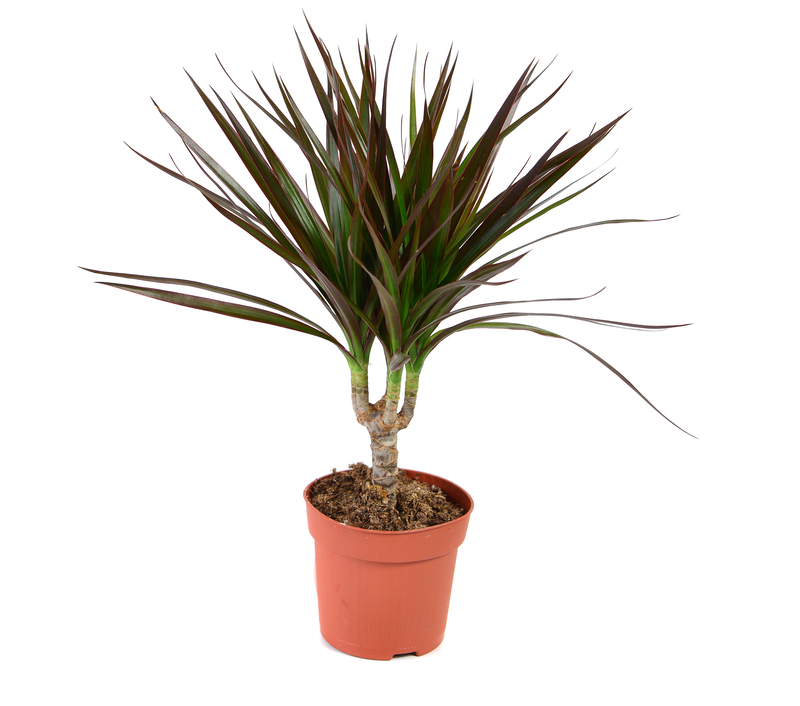
Craft Your Personal Haven by Selecting the Best Tall-Potted Plants for Private Outdoor Spaces
You deserve an outdoor nook that feels like yours. A tiny balcony in Bristol, a city courtyard in London, or a modest patio in Leeds--the size hardly matters. What matters is privacy, comfort, and that quiet exhale when you slide the door open. Tall potted plants are the clever, living walls that help you do exactly that: soften sightlines, hush street noise, and anchor the space with lush, vertical texture. In this guide, we'll walk you through how to Craft Your Personal Haven by Selecting the Best Tall-Potted Plants for Private Outdoor Spaces, with practical advice, UK-savvy regulation notes, and down-to-earth tips that actually work in the real world.
It's not just about hiding from nosy neighbours. It's about creating a mood--morning light filtering through bamboo canes, the faint resin scent of bay leaves, a hint of salt if you're near the coast. You'll find step-by-step guidance, expert hacks, and a few human "yep, did that wrong once" moments. To be fair, we've all picked a pot too small or overwatered on a rainy week. Happens. You'll see why it doesn't have to.
Table of Contents
- Why This Topic Matters
- Key Benefits
- Step-by-Step Guidance
- Expert Tips
- Common Mistakes to Avoid
- Case Study or Real-World Example
- Tools, Resources & Recommendations
- Law, Compliance or Industry Standards (UK-focused)
- Checklist
- Conclusion with CTA
- FAQ
Why This Topic Matters
Urban living is brilliant--until your outdoor space feels like a fishbowl. That familiar glance from a neighbouring window, the faint chatter from the street, the sense that you're "on display." Tall potted plants solve this gracefully. They're a flexible, movable, and beautiful privacy solution that doesn't require construction or planning permission in most cases, and they turn a bare slab into a green retreat fast.
Let's face it: fencing isn't always allowed on balconies, awnings can be pricey, and screens look, well, a bit like screens. A living privacy curtain--graceful bamboo, architectural phormiums, or glossy evergreen shrubs--changes the whole tone of a space. You'll feel it the first evening you sip tea outside, hearing the wind tick through leaves instead of cars. Clean, clear, calm. That's the goal.
Micro moment: A client in Hackney told us the first night after planting, she could hear the leaves rustling as the rain eased. "It was raining hard outside that day, and the bamboo softened everything. I slept like a stone."
Key Benefits
Choosing the best tall potted plants for privacy is more than blocking views. Done right, it gives you a layered set of benefits that keep paying off, season after season.
- Privacy without permanence: Moveable containers let you reconfigure as your needs change. Great for renters and leasehold flats.
- Natural sound buffer: Dense foliage dampens street noise and reduces echo in courtyard spaces. It's subtle, but you'll feel the difference.
- Visual softness: Green layers turn hard edges into a tranquil backdrop. The space looks bigger--yes, really--when vertical greenery creates depth.
- Microclimate benefits: Plants increase humidity and cool the air in summer, while large containers act as wind breaks.
- Ecological wins: Flowering and berrying plants support pollinators and birds; even small balconies can be mini habitats.
- Flexible design expression: From Mediterranean to contemporary minimal, tall plants and planters adapt to your style.
- Property value and kerb appeal: A well-designed private terrace or balcony reads as extra living space.
Truth be told, even one statement pot with a tall evergreen can transform the mood. It's a small change with oversized impact.
Step-by-Step Guidance
If you're ready to Craft Your Personal Haven by Selecting the Best Tall-Potted Plants for Private Outdoor Spaces, follow this practical path. No fluff--just what works.
1) Assess Your Space
- Measure the area: Note length, width, and height constraints (overhead eaves, railings). Sketch where you'd like coverage.
- Identify sun & shade: Track sun for a day. Is it morning light, all-day sun, or dappled shade? In the UK, south and west aspects run hotter; north stays cooler and dimmer.
- Wind exposure: High floors can be gusty. Wind can shred leaves and topple pots; it's the silent saboteur on balconies.
- Access and weight: How will you get large pots upstairs? Can your balcony or terrace handle heavy loads? Make a quick plan.
Micro moment: You could almost smell the cardboard dust in the air as we unboxed planters in a narrow stairwell--awkward, yes, but worth it once they were in place.
2) Set Privacy Goals
- Full screen vs. soft screen: Do you need complete privacy or gentle diffusion? Full screen often needs denser, evergreen foliage.
- Height target: Measure the sightline you'd like to block (usually 1.5-2.0 m). Pots plus plants must clear that.
- Seasonal needs: Evergreen cover year-round vs. deciduous interest that changes across seasons.
3) Choose the Right Tall Plants (by Conditions)
For sunny, exposed spots:
- Phyllostachys nigra (Black bamboo, clumping types for pots): Tall, elegant, rustling privacy. Choose non-invasive or clumping forms; root barrier or thick containers help.
- Olea europaea (Olive): Architectural, drought-tolerant, and sluggish-growing--great in large pots with good drainage.
- Phormium tenax (New Zealand flax): Sword-like leaves for wind-exposed terraces; striking structure.
- Trachelospermum jasminoides (Star jasmine) on trellis: Highly scented summer flowers; pair with a sturdy obelisk or screen.
For partial shade:
- Fatsia japonica: Bold, glossy leaves; tolerates shade and urban air. Evergreen and handsome.
- Camellia japonica: Spring flowers, evergreen foliage; likes acidic, ericaceous compost.
- Griselinia littoralis: Salt-tolerant, evergreen; good coastal performer in large containers.
For full shade:
- Aucuba japonica (Spotted laurel): Tough evergreen for dim corners; variegated varieties brighten gloom.
- Mahonia x media: Spiky leaves, winter scent; birds love the berries.
- Climbing ivy (in moderation) on a freestanding trellis: Reliable cover; keep it pruned and contained.
For winter interest:
- Bay laurel (Laurus nobilis): Evergreen, culinary, and shapely. Subtle, resinous aroma on warm days.
- Nandina domestica (Heavenly bamboo): Colourful foliage and berries; compact cultivars suit containers.
- Skimmia japonica: Evergreen domes with fragrant spring flowers; great in partial shade.
For pet-friendly options:
- Bamboo (many species), camellia, hibiscus, and areca palm (indoor/outdoor in summer) are often safe; always check pet toxicity lists.
Tip: Consult RHS hardiness ratings (H1-H7). Most UK urban balconies suit H4-H6. If you're north-facing in Scotland or coastal with salt spray, choose tough evergreens and generous pots.
4) Pick the Right Containers
- Size matters: As a rule, tall privacy plants like at least 40-60 cm diameter and depth. Bigger is easier to keep stable and hydrated.
- Materials: Fibreglass (light, durable), high-quality plastic (light, affordable), or frost-proof ceramic/terracotta (heavier, beautiful). For wind-exposed sites, weight is your friend.
- Drainage: Essential. Use pots with large holes, add a raised foot or castor base, and keep saucers for water management but avoid standing water in winter.
- Style: Keep planters consistent in colour or form for a cohesive look. Neutral greys, deep greens, or warm stone tones are easy winners.
5) Soil, Drainage, and Feeding
- Substrate: Use peat-free container compost mixed with 20-30% horticultural grit or perlite for drainage.
- Water management: Add a lightweight layer of coarse material at the base only if drainage is superb. Better: ensure holes are clear and the pot isn't sitting flat on a membrane.
- Slow-release feed: Add during planting; top up mid-season. Liquid feed lightly during the growing season for hungry species (e.g., jasmine).
- Mulch: Finish with 2-3 cm of bark or slate to reduce evaporation and stop compost splash. Looks tidy, too.
6) Positioning for Privacy and Stability
- Map sightlines: Stand where you sit. What do you actually see? Place the tallest planters to intercept the view.
- Layer heights: Put tall plants at the back, medium shrubs mid-line, and trailing plants along edges. A living gradient feels lush, not blocky.
- Stability: Use pot feet or lockable castor trays. In windy spots, consider discreet guy wires, heavier planters, or sheltered corners.
7) Planting Technique
- Pre-soak rootballs if dry. Gently tease out circling roots.
- Set the plant so the root flare sits level with the soil surface.
- Backfill with compost mix, firm lightly, water thoroughly until it drains freely.
- Stake tall, flexible stems (like bamboo) with soft ties to avoid chafing.
Little note: On a cool April morning, the scent of damp compost and bay leaves is almost medicinal. You'll know it when you smell it.
8) Watering & Ongoing Care
- Watering rhythm: Deep, infrequent watering encourages strong roots. In peak summer, daily checks; in winter, much less.
- Feeding schedule: Slow-release in spring, light liquid feed every 2-4 weeks in summer for flowering/fruiting plants.
- Pruning: Light grooming throughout the season; structural cuts after flowering or in dormant months depending on species.
- Winter protection: Bubble wrap around pots, fleece jackets for tender plants, or move to sheltered corners. Elevate pots to avoid freezing water.
9) Design Touches for Comfort
- Scent at head height: Jasmine, bay, rosemary, or lavender near seating. Big difference, small cost.
- Soft lighting: Warm white string lights or low-glare lanterns tucked among foliage.
- Sound & motion: Bamboos and grasses add a gentle rustle that's oddly soothing--yeah, we've all been there, listening longer than we meant to.
Expert Tips
Here's the insider stuff we wish everyone knew before starting to Craft Your Personal Haven by Selecting the Best Tall-Potted Plants for Private Outdoor Spaces.
- Think "thriller-filler-spiller," adapted for tall pots: a commanding evergreen ("thriller"), mid-height shrubs or perennials ("filler"), and trailing ivy or helichrysum ("spiller") to soften edges.
- Right plant, right root volume: A tall canopy in a tiny pot will tip or sulk. Balance foliage height with pot diameter and depth.
- Use matching planters in sets: Repetition equals calm. Three identical tall planters along a railing read as a green wall--it's simple and chic.
- Castors are game-changing: Move planters to chase or avoid sun, and pull them in for storms. Your back will thank you.
- Top-dress annually: Remove 3-5 cm of old compost each spring, replace with fresh compost and slow-release fertiliser. Plants perk up, honestly overnight.
- Integrate vertical supports: Trellises, obelisks, and privacy screens behind pots give climbing plants a spine, lifting foliage exactly where you need it.
- Mix evergreen anchors with seasonal stars: Olives or bays for backbone; jasmine, salvia, or tulips for sparkle. Balanced beauty, all year.
- Mind salt and pollution: In coastal or heavy-traffic areas, choose resilient species like griselinia, phormium, and bay.
- Rain management: Avoid waterlogged pots in winter. Lift planters slightly and clear saucers after storms.
Ever tried clearing a room and found yourself keeping everything? The same goes for plant choices--edit ruthlessly. Fewer, better plants, placed with intention.
Common Mistakes to Avoid
A few missteps we see again and again. Save yourself the hassle.
- Going too small: Tiny pots for tall plants lead to tipping, drought stress, and disappointment.
- Ignoring wind: Wind-burned leaves and toppled planters are avoidable. Choose heavier containers and wind-tolerant species.
- No drainage holes: Plants drown. Always check and, if needed, drill carefully.
- Wrong plant for light: Sun lovers sulk in shade; shade lovers burn in sun. Match aspect to plant needs.
- Overwatering in winter: Cold wet roots rot quickly. Keep it on the dry side when growth slows.
- Forgetting weight limits: Balconies and roof terraces have limits. Check before loading dozens of water-heavy pots.
- Underestimating maintenance: Even low-care plants need pruning, feeding, and the occasional pest check.
Short aside: We once watched a beautiful, top-heavy olive go over in a November gale. The thud was... memorable. Don't be us--use weight and anchors.
Case Study or Real-World Example
Project: Create privacy on a 3 m x 1.2 m London balcony overlooked by three flats.
Constraints: Weight limit concerns; strong crosswinds; no permanent fixtures allowed by building management.
Solution: Three 60 cm fibreglass planters on lockable castors placed along the railing, each planted with a clumping black bamboo (Phyllostachys nigra 'Boryana'), underplanted with evergreen hebe and trailing helichrysum. A fourth, narrower planter with star jasmine on a freestanding trellis anchored by the planter's mass.
Soil and water: Peat-free compost with 30% perlite, slow-release fertiliser, and a discreet drip line connected to a timer for summer (manual in winter).
Outcome: Immediate soft privacy and a gentle rustle in the breeze. The client reported a noticeable drop in perceived noise and said, "I made coffee and stayed an extra ten minutes just to listen." That's the point.
Tools, Resources & Recommendations
Use these to make your project smooth and robust.
- Planters: Frost-proof ceramic, fibreglass, or high-grade recycled plastic. Rectangular troughs are efficient for screening.
- Drainage & bases: Pot feet, wheeled castor trays, gravel trays for water capture.
- Soil & amendments: Peat-free compost, horticultural grit/perlite, slow-release fertiliser, organic seaweed feed.
- Irrigation: Battery timer with micro-drip lines for summer. Saves time and keeps hydration consistent.
- Monitoring: Simple moisture meter, or just the finger test--no gadget beats it for pots.
- Support: Freestanding trellises, obelisks, discreet guy wires for wind-prone balconies.
- Learning sources: RHS Plant Finder for UK hardiness and care, local garden centres for region-specific advice, and weather apps to track wind and heat waves.
And yes, a good pair of secateurs. Don't skimp. It's like cooking with a blunt knife--more work, less joy.
Law, Compliance or Industry Standards (UK-focused if applicable)
We're not here to scare you--just to keep things safe and sensible. A few UK-specific notes to protect you and your space:
- Balcony/terrace loads: Building design limits vary. Many domestic balconies are designed within an imposed load range typically around 2.0-4.0 kN/m?. Always check your lease/handbook and, if in doubt, speak to a structural engineer or building manager before adding multiple large, water-filled planters.
- High hedges and boundaries: Super-high screens causing neighbour disputes can fall under the Anti-social Behaviour Act 2003 (High Hedges). Keep heights considerate and talk to neighbours early.
- Planning permission: Most potted plants and freestanding trellises are fine, but anything affixed to the building facade may need approval--especially in conservation areas or listed buildings.
- Wildlife protection: The Wildlife and Countryside Act protects nesting birds. Avoid heavy pruning during nesting season (roughly March to August) if birds are active.
- Tree Preservation Orders (TPO): If moving larger containerised trees, check for TPOs (more relevant to in-ground trees but good to be aware).
- Water use: During Temporary Use Bans (hosepipe bans), automatic irrigation using mains water may be restricted. Use watering cans or stored rainwater.
- Safety in high winds: Ensure planters are stable and can't become hazards. Building managers may require tie-down methods for items at risk of falling.
- Waste & disposal: Don't wash compost into drains. Bag green waste or use council green bins where available.
In short: be considerate, check building rules, and keep safety front of mind. Simple, sensible, sorted.
Checklist
Use this quick list to keep your project on track.
- Measure area, note sun/wind, set privacy height targets.
- Choose species for your aspect: sun, part shade, or shade.
- Select large, frost-resistant containers with proper drainage.
- Use peat-free compost with added grit/perlite; add slow-release fertiliser.
- Position planters to block sightlines; allow room to move around.
- Stabilise with weight, castors, or discreet ties in windy spots.
- Plant properly: correct depth, firm backfill, thorough watering.
- Mulch surfaces; set a watering and feeding routine.
- Prune lightly across the season; heavier cuts at the correct time.
- Review legal/weight considerations; talk to neighbours where helpful.
Conclusion with CTA
When you Craft Your Personal Haven by Selecting the Best Tall-Potted Plants for Private Outdoor Spaces, you're doing more than garden design--you're setting boundaries with kindness. A green screen doesn't slam the door; it invites you into a calmer, softer world, even if that world is a 2 m balcony in the middle of the city. You'll hear leaves, not chatter. Smell jasmine, not traffic. You'll breathe out and linger for one more minute. Maybe two.
Get a free quote today and see how much you can save.
Take the first plant, place it with intention, and let the space teach you what it wants. It's a lovely process. And you deserve lovely.
FAQ
What are the best tall potted plants for privacy on a sunny UK balcony?
Great options include clumping black bamboo, olive trees, star jasmine on trellis, and New Zealand flax. They handle sun and create strong vertical screening when properly watered and fed.
Which tall plants work in shade for privacy?
Try Fatsia japonica, Aucuba japonica, camellias (with ericaceous compost), and ivy on a freestanding trellis. These tolerate lower light while staying evergreen and handsome.
How big should the pots be for tall screening plants?
As a rule, choose at least 40-60 cm diameter and depth for meaningful screening. Bigger is better for stability, watering resilience, and root health.
How often should I water container bamboos and olives?
Check soil moisture daily in summer; water deeply when the top 2-3 cm are dry. In winter, water sparingly. Consistency matters more than frequency--avoid waterlogging.
Are tall potted plants safe for balconies with wind exposure?
Yes, with the right approach: use heavier or wide-based planters, lockable castors, and wind-tolerant species. Consider discreet ties or positioning plants against walls for shelter.
What about UK regulations--do I need permission for tall planters?
Freestanding planters typically don't require permission, but fixtures attached to the building may. Check your lease rules, and consider neighbourly heights to avoid high-hedge complaints.
Can I achieve privacy all year round?
Yes--use evergreen anchors such as bay, griselinia, or bamboo, then blend in seasonal plants for colour and scent. This ensures coverage in winter and interest in summer.
What's the biggest mistake people make with tall potted plants?
Undersized containers with poor drainage. Roots struggle, plants tip in wind, and watering becomes a chore. Start with generous, well-drained planters.
How do I stop pots staining my balcony or terrace?
Use pot feet or castor trays with saucers to catch runoff. Clean trays periodically and avoid letting water sit for long periods, especially in winter.
Are there pet-safe tall plants I can use?
Yes. Many bamboos, camellias, and herb standards (like bay and rosemary) are generally considered safer, but always double-check specific varieties against pet-toxicity lists.
When is the best time to plant?
Spring and early autumn are ideal in the UK--milder temperatures help roots establish. You can plant in summer, but water consistently and provide some shade during heat waves.
How many planters do I need per metre for good privacy?
For troughs 80-100 cm long, plan on one tall specimen per trough with underplanting, or two medium shrubs per metre. Adjust density based on species and desired opacity.
Can I move large planters without damaging plants?
Yes--use wheeled bases or sliders and move during cooler parts of the day. Support stems, avoid harsh jolts, and water lightly after repositioning to settle roots.
Do tall potted plants help with noise?
They won't soundproof, but dense foliage reduces sharp echoes and slightly mellows city noise. Combined with textiles and soft surfaces, the effect is noticeable and calming.
How do I protect tall plants in winter?
Wrap pots in insulating material, elevate off cold slabs, and use fleece covers for tender plants. Move to sheltered spots and reduce watering to avoid waterlogged roots.
Nature's curtain is always kinder than a wall. Take your time, choose with care, and let your space breathe again. You'll feel it. You really will.